
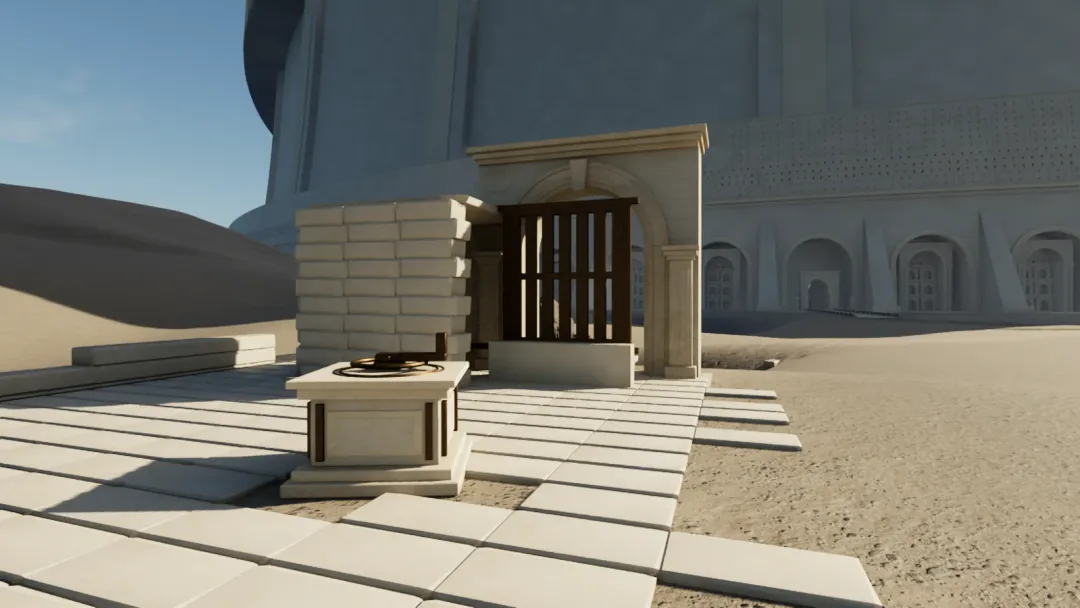
An entrance court, an Overlook and a clearer floor
Actual progress through Revisions 5–7: entrance dressing, an Overlook pocket, and repairs informed by a recorded playthrough.
Read production noteDevelopment timeline
The work, the decisions, and what changed. Latest first.
Actual progress through Revisions 5–7: entrance dressing, an Overlook pocket, and repairs informed by a recorded playthrough.
Read production note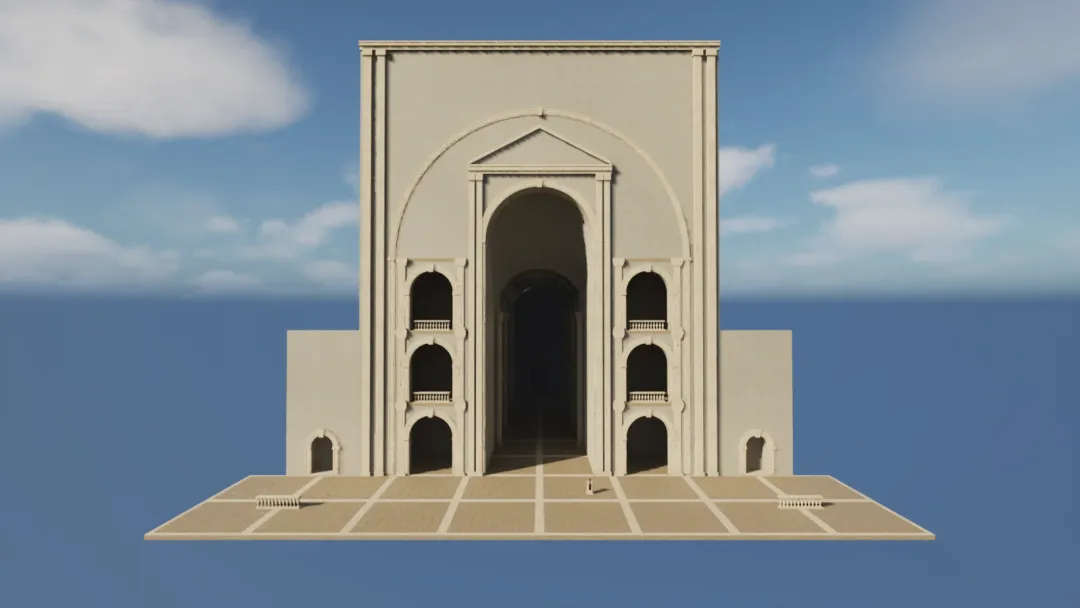
The latest architectural direction reaches actual Unreal construction studies in isolated maps. The retained playable arrival is a separate scene.
Read production note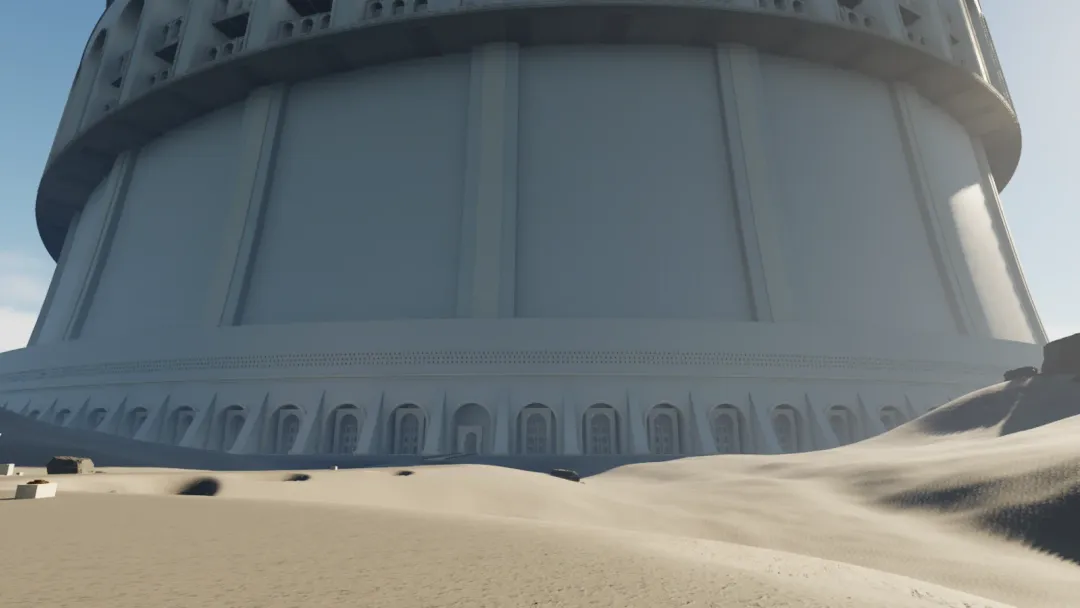
From Houdini massing and greybox playtests to an Unreal arrival scene and a vaulted gate hall.
Read production note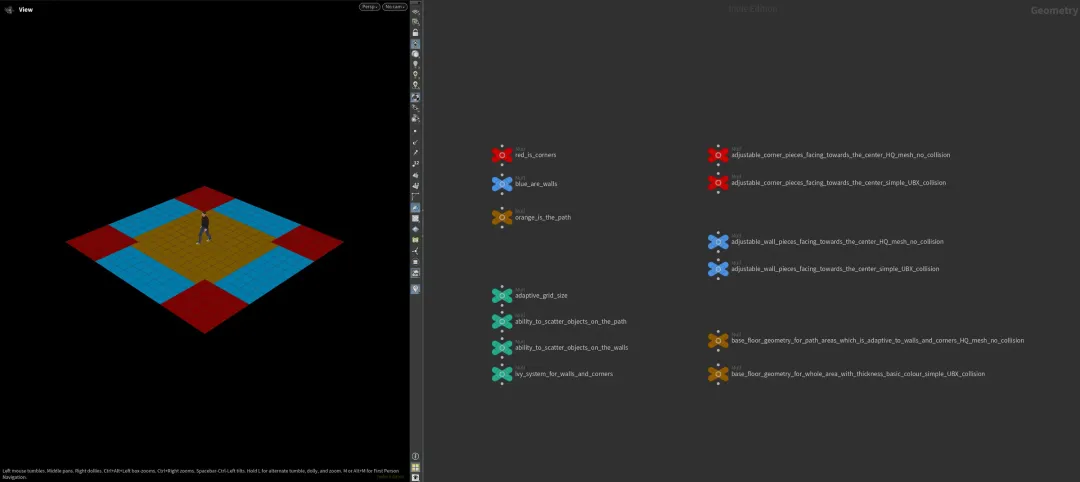
The wall and corner setup now uses explicitly placed points instead of stretching pieces with Match Size, making width and depth easier to control independently.
Read production note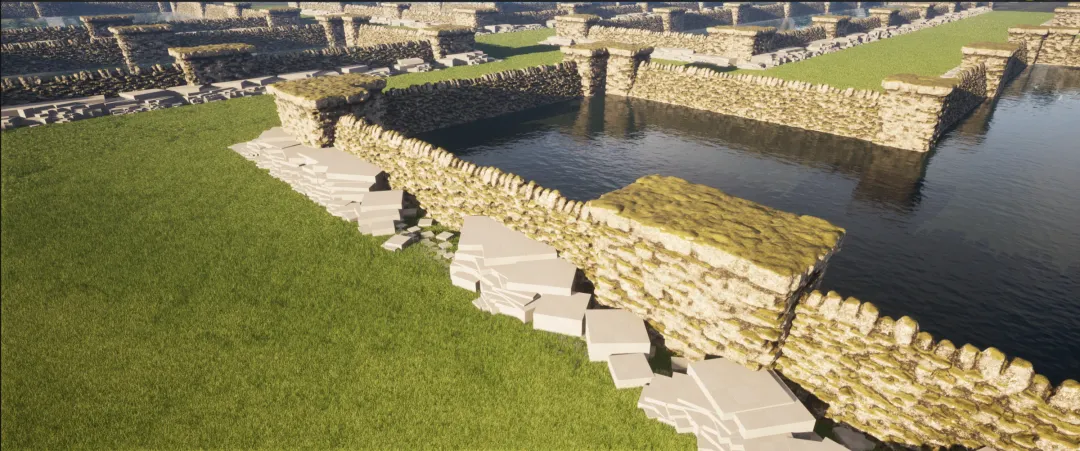
The Houdini maze scatter workflow now separates inner and outer edge plant outputs, pushes points away from hard wall outlines, and is being checked against the stone maze, grass, and water in Unreal.
Read production note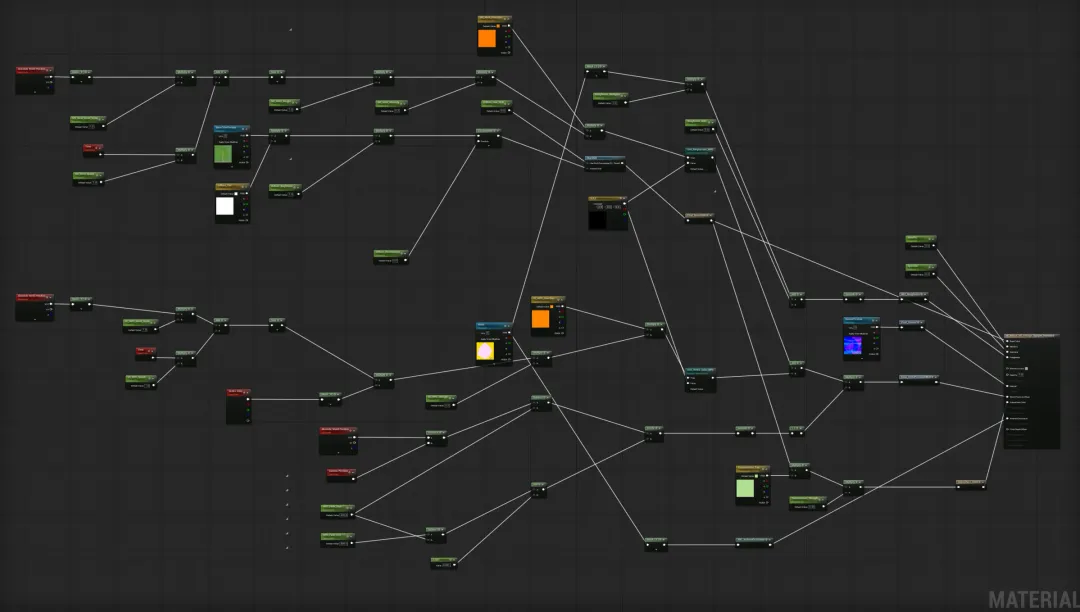
New captures document the two-sided foliage master, grass material instance controls, and a static mesh preview used to inspect dense grass cards before broader vegetation migration.
Read production note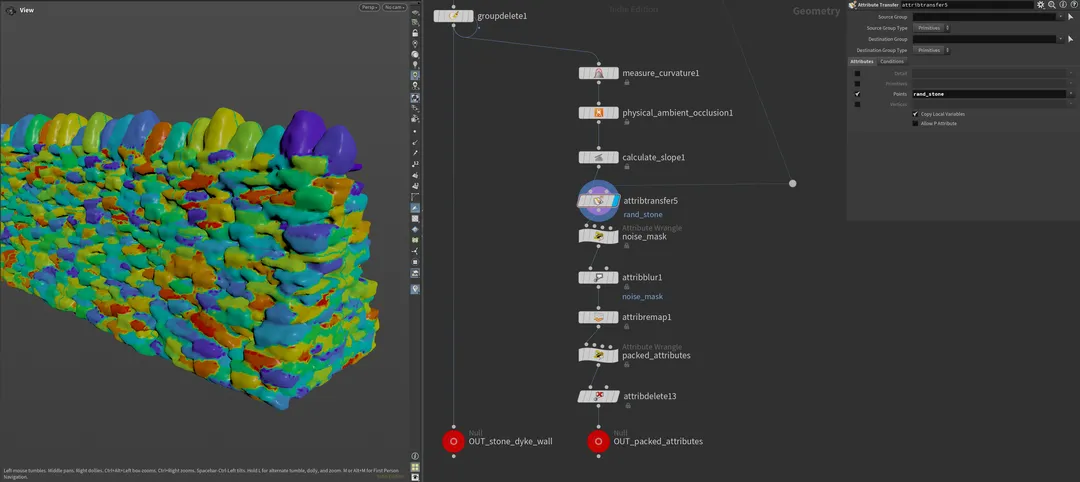
The latest Houdini pass splits wall meshes into workable pieces, uses for-each UV layout passes, and starts turning attributes into masks for moss, snow, dirt, and stone variation.
Read production note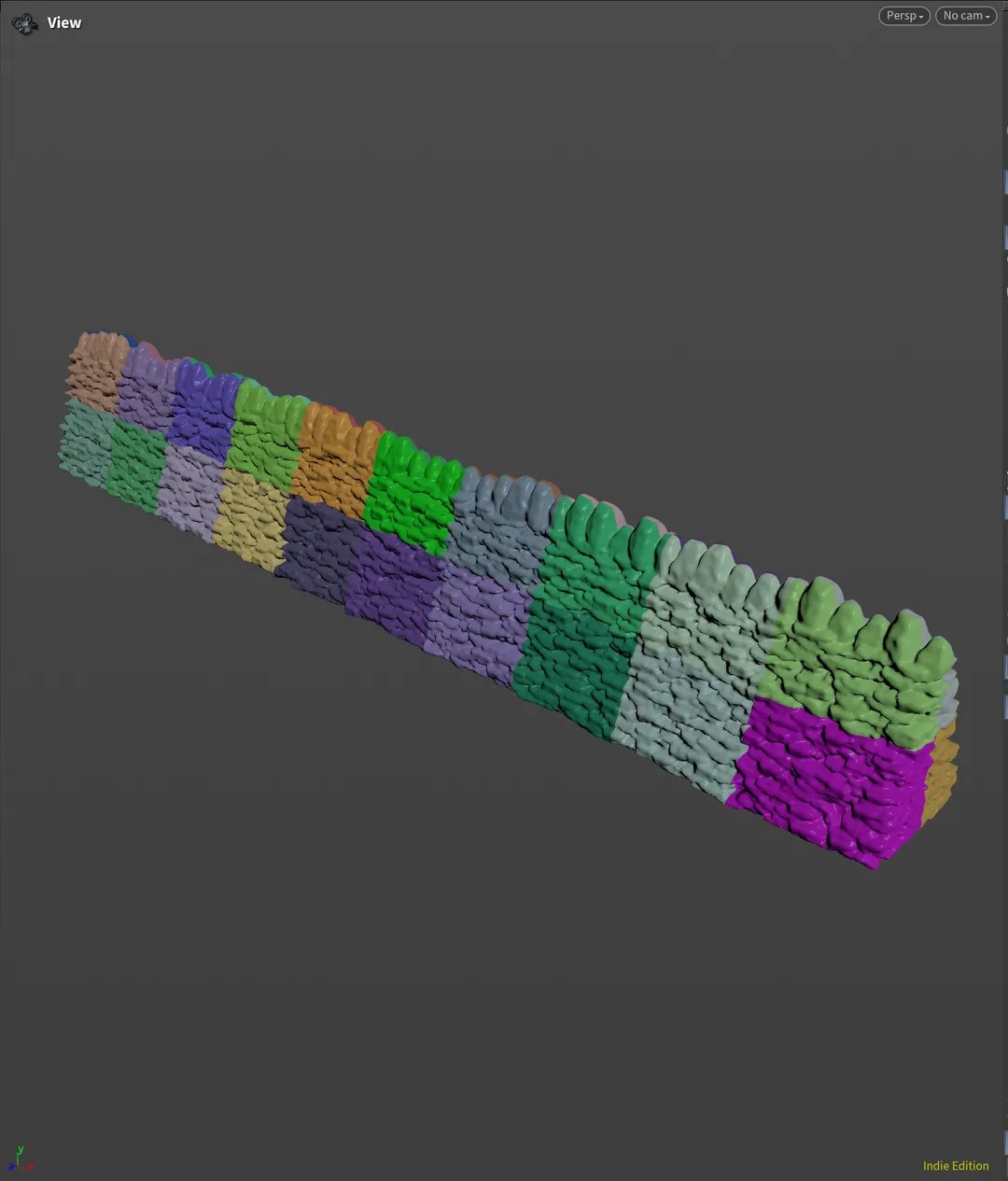
The public site starts from a strict media rule: only real AMazeIn WIP, editor output, Houdini output, screenshots, code diagrams, and authored notes.
Read production note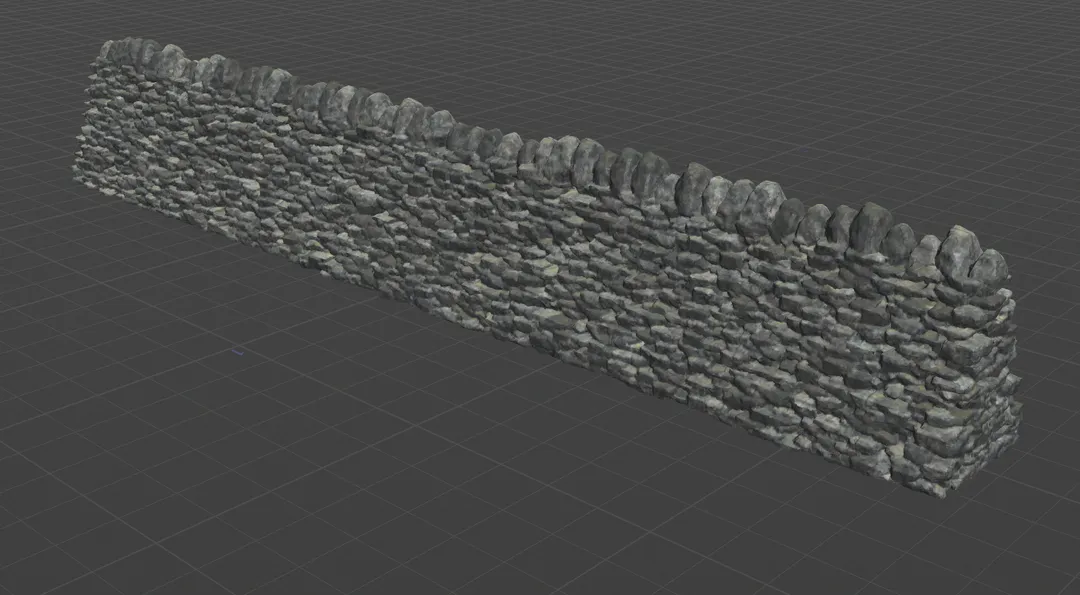
The repeated maze pieces are moving toward shared tiling materials, Houdini masks, edge wear, dirt, moss, and cheap variation.
Read production note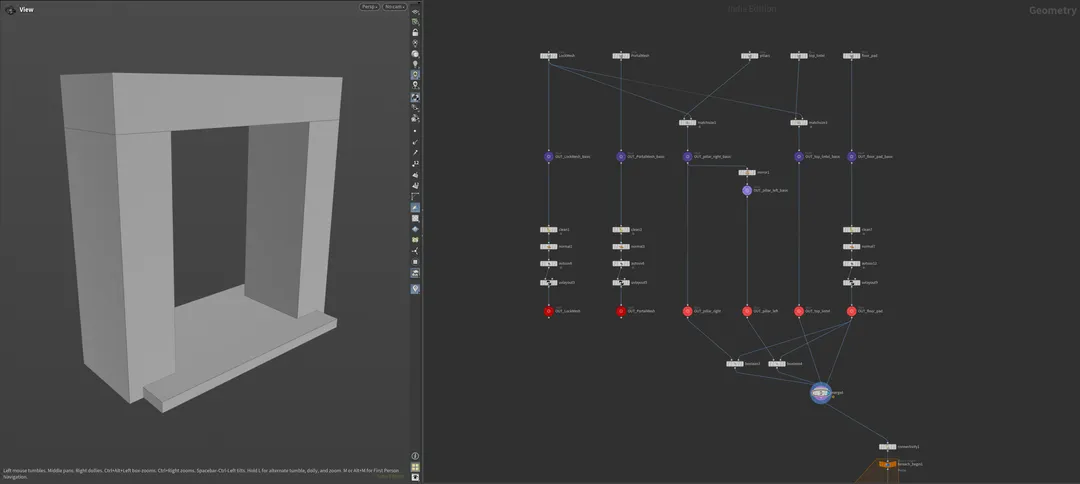
The first target loop is Hub -> Level 1 -> Finish -> Hub -> Level 2 unlocked, driven by data assets and save-state checks.
Read production note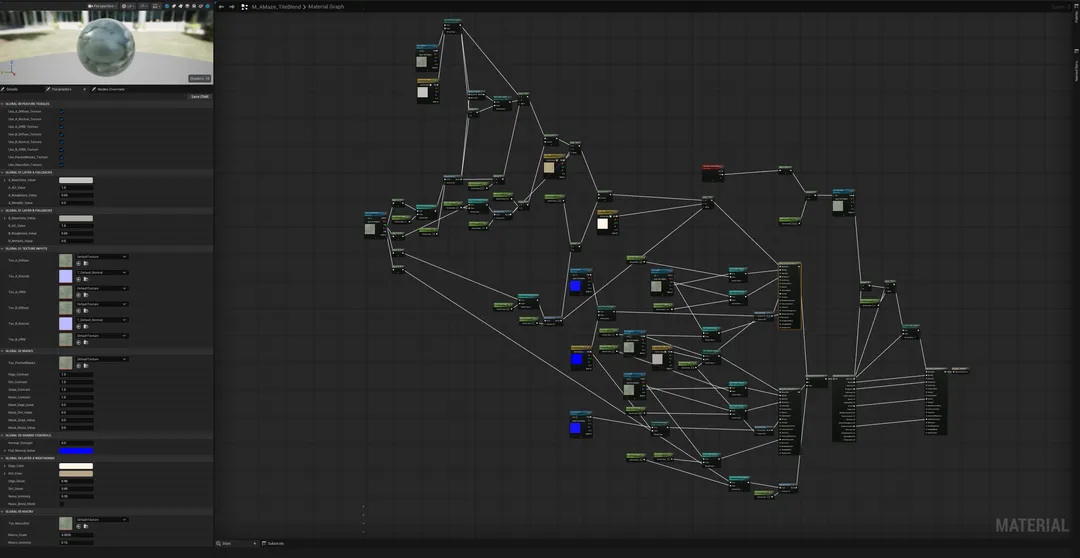
A Windows cook reached the asset statistics stage but ended with an unknown cook failure, making build diagnosis part of the next production pass.
Read production note