
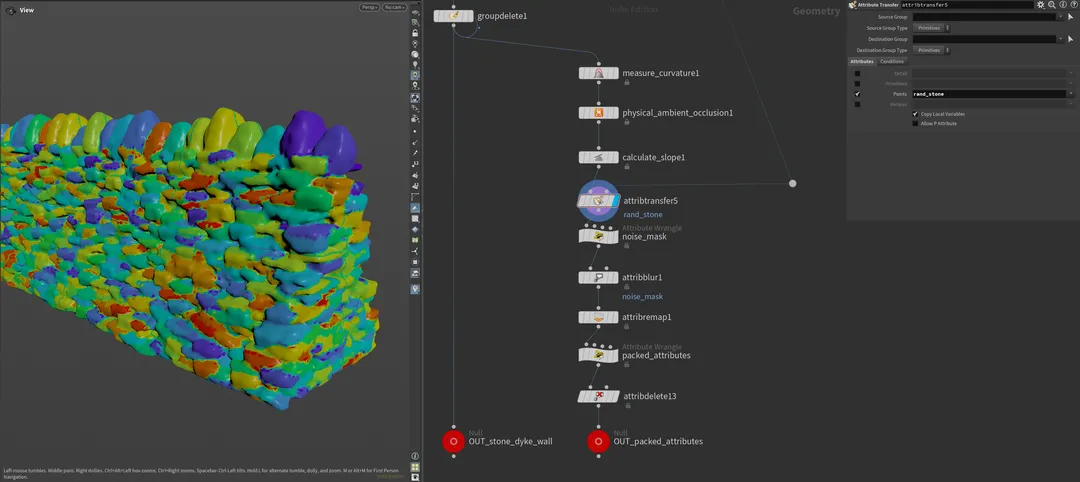
The latest Houdini pass splits wall meshes into workable pieces, uses for-each UV layout passes, and starts turning attributes into masks for moss, snow, dirt, and stone variation.
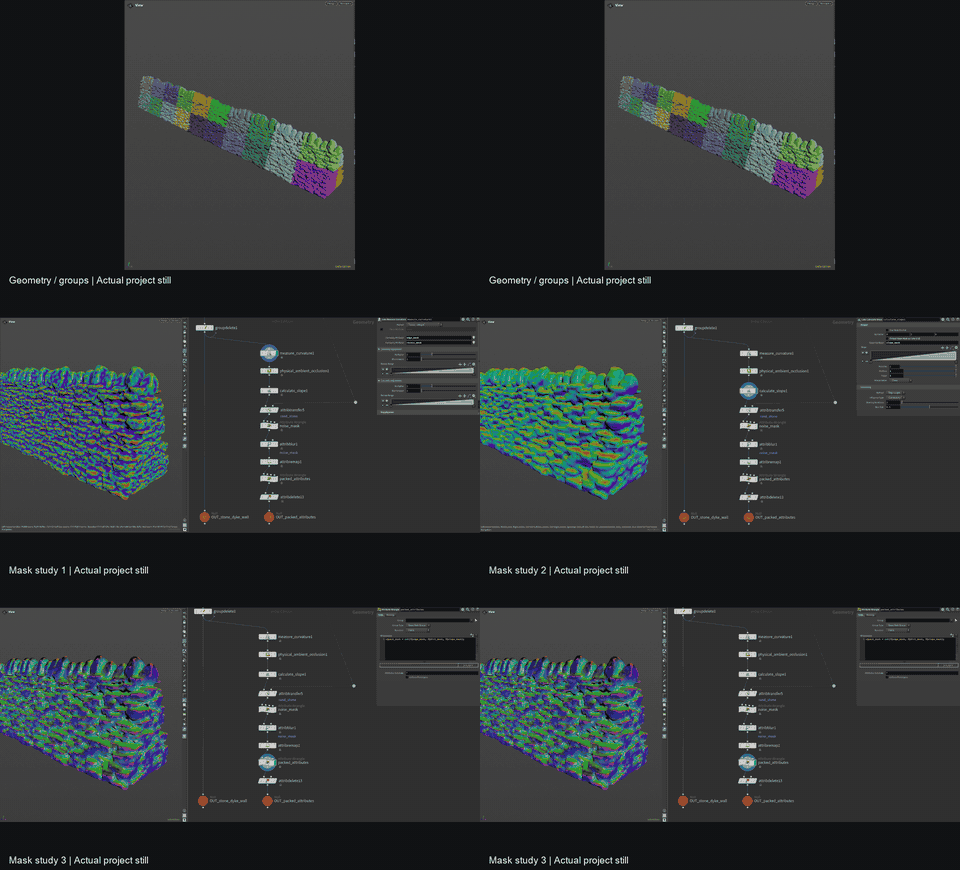
The stone-wall setup has been adjusted so the mesh can be split into workable pieces before UV processing. A for-each loop applies automatic UVs to those pieces, and a UV layout pass packs them back together for more consistent results.
Attributes become material masks
The next part of the workflow turns geometry information into reusable surface controls. Curvature and exposed upper surfaces can contribute to moss or snow placement, ambient occlusion can influence dirt, and transferred connectivity attributes can select random stones for variation. A basic noise mask can serve the same variation role where connectivity is not needed.
COPs samples and packs those attributes so Unreal can read them as material masks. The current master material graph is prepared to combine the shared texture maps with those packed results for moss, snow, dirt, and stone variation.
Applying the thinking to HubDoor
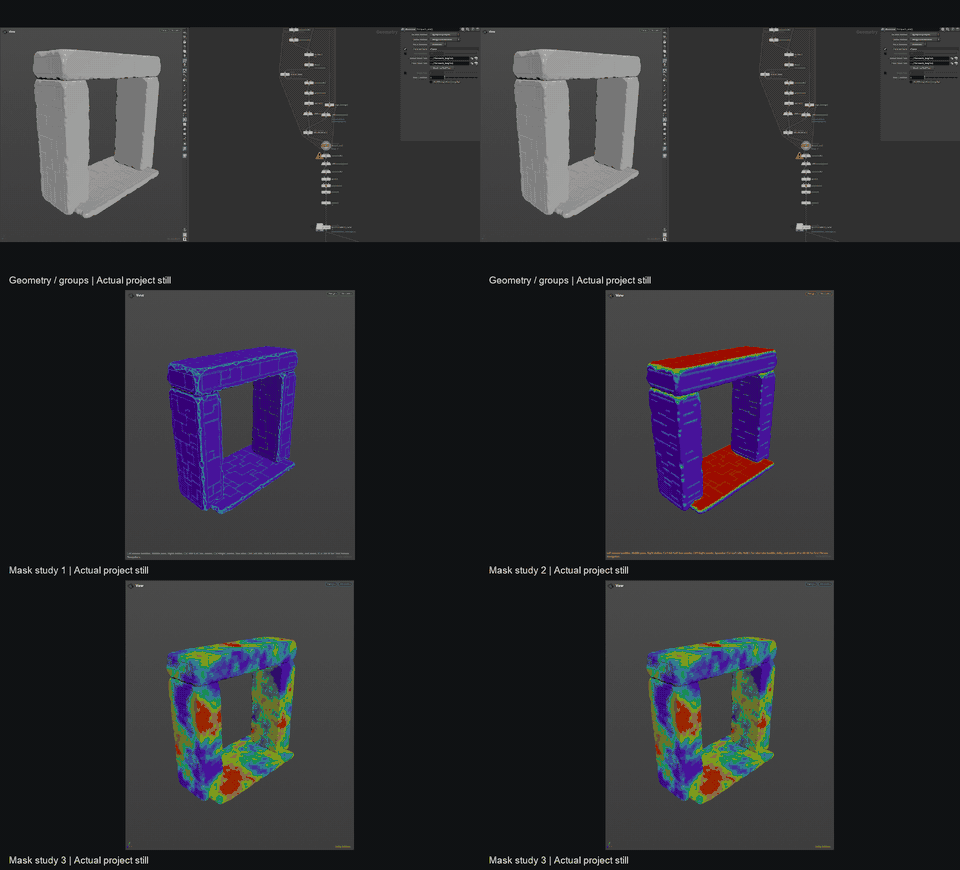
The same update also records the early HubDoor setup: a procedural blockout, an edge-damage pass, slope and edge mask previews, and a packed COPs output. The work is still at the beginning of the process, with the longer-term intention of refining it into a more procedural HDA workflow.
The screenshots are kept as process evidence. They show how the wall and HubDoor experiments are moving from Houdini attributes toward controls that can be used in Unreal.